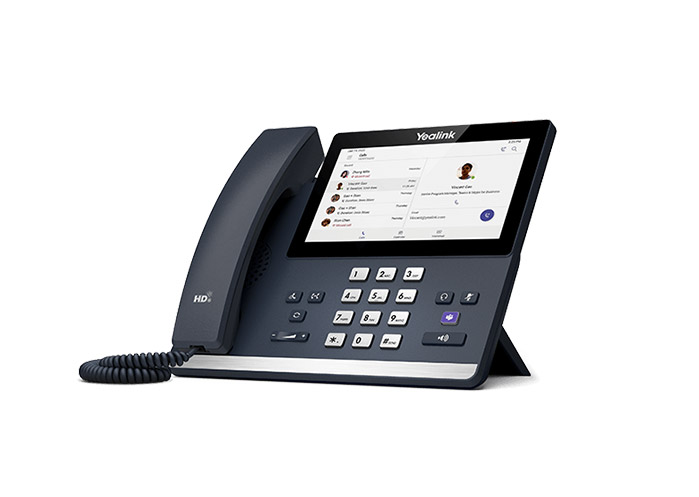
For some people, the traditional desk phone handset still feels familiar. It’s what they’ve always used, and change can be hard.
But today’s workplace demands more from communication tools than it did decades ago.
In the modern era of unified communications, efficiency, functionality, and simplicity matter more than ever. If your teams are using platforms like Microsoft Teams, Zoom, Google Meet, or Webex, relying on a handset or built-in laptop microphone can hold them back.
It’s time to step out of the past and embrace a better way to work.
1. Headsets improve comfort and ergonomics
One of the most immediate benefits of using a headset is physical comfort.
Anyone who has spent time cradling a handset between their shoulder and ear knows how awkward and uncomfortable it can be. Holding a phone for long periods creates unnecessary strain in the neck, shoulders, and arms. It also makes it harder to stay focused on the conversation itself.
A headset eliminates that balancing act. It allows users to work in a more natural, ergonomic position, reducing physical distraction and helping them stay engaged in the discussion.
2. Hands-free communication drives productivity
A headset doesn’t just make calls more comfortable — it makes users more productive.
When employees are hands-free, they can:
take notes
send emails or messages
process orders
look up information
navigate systems while speaking with customers or colleagues
That flexibility matters in fast-paced business environments. Instead of being tied up by a handset, users can multitask efficiently and keep work moving without sacrificing communication quality.
3. Simplicity reduces clutter, cost, and complexity
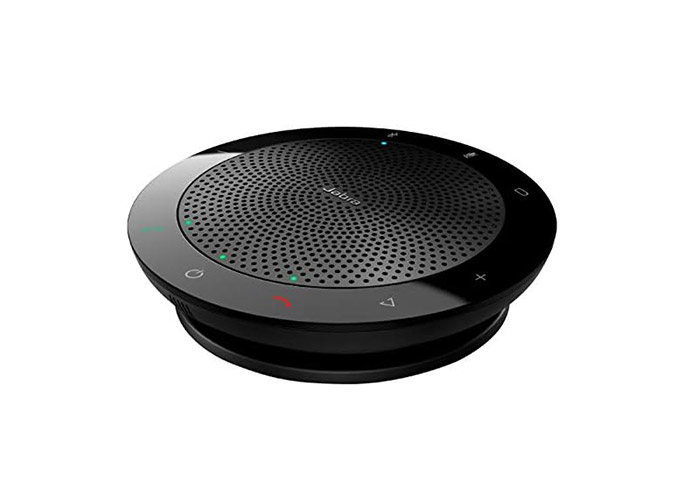
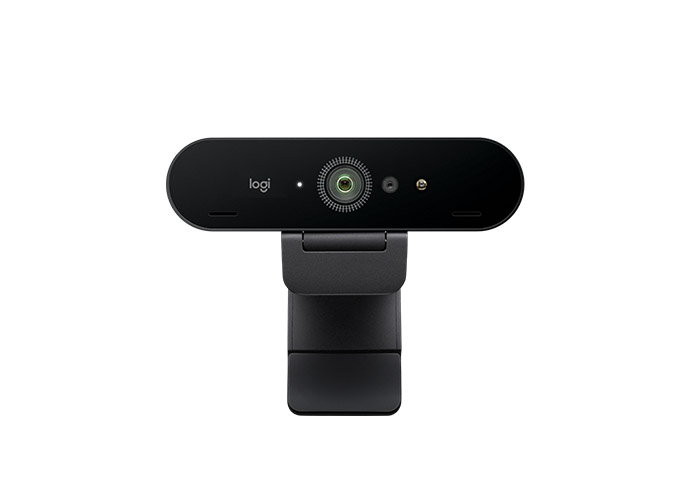
For many organizations, the ideal setup is simple: a computer, a softphone platform, a webcam, and a headset.
That’s the UC trifecta.
If employees are already making calls through Microsoft Teams, Zoom, Google Meet, Webex, or another softphone platform, adding extra audio hardware often creates more complexity than value. A headset gives users a direct connection to the communication platform, whether corded or wireless, without introducing unnecessary devices.
Fewer devices mean:
fewer points of failure
easier troubleshooting
less time spent by IT diagnosing issues
fewer support tickets
a cleaner, less cluttered desk
That simplicity benefits both the end user and the IT team.
4. Better audio quality leads to better conversations
Audio quality can make or break a call.
Built-in laptop microphones and webcam microphones are convenient, but they are rarely designed for professional voice communication. Devices with small form factors have limitations, and compromises are often made in microphone performance.
Enterprise-grade headsets are specifically designed to enhance voice communications. They include technologies that help prioritize the human voice while reducing distractions from the surrounding environment.
That can help minimize the impact of:
background conversations
keyboard noise
HVAC systems
pets or children in the home
wind or environmental sounds
other nearby disruptions
Many enterprise headsets also improve the listening experience for the user by helping reduce surrounding noise and making the far-end caller’s voice clearer. The result is a more focused conversation with fewer distractions on both sides.
5. Headsets align better with modern UC platform recommendations
Leading unified communications platforms strongly recommend the use of certified peripherals to optimize performance, reliability, and user experience.
For organizations standardizing on platforms like Microsoft Teams or Zoom, a dedicated headset paired with an external webcam often delivers a much better experience than relying on built-in microphones and speakers alone.
This is especially important in enterprise environments where call quality, consistency, and user adoption all matter. Better devices support better outcomes.
6. Not all Bluetooth is created equal
A common question is: If my laptop has Bluetooth, why not just pair consumer earbuds directly to it?
The answer is that not all Bluetooth connections are designed for the same purpose.
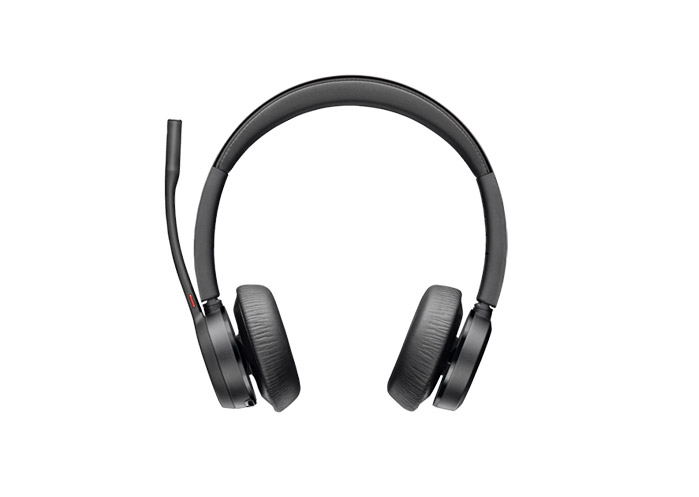
Bluetooth built into laptops is often sufficient for accessories like keyboards and mice, but voice communications require a more stable and consistent connection. Consumer earbuds may work for casual use, but in business environments they can be more susceptible to interference, distortion, inconsistent audio, or dropped connections.
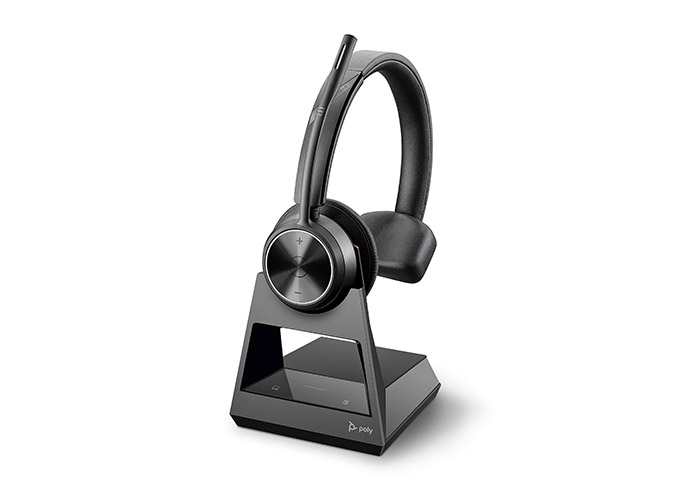
Enterprise wireless headsets often use a USB adapter, Bluetooth dongle, or dedicated base to create a more reliable link between the headset and the computer. That stronger, more consistent connection helps support clearer audio and fewer disruptions during calls.
7. DECT headsets offer even greater range and reliability
For users who need mobility, DECT headsets can offer significant advantages.
DECT, or Digital Enhanced Cordless Telecommunications, is a wireless standard designed specifically for voice communication. Compared with typical Bluetooth connections, DECT often delivers:
stronger range
more secure communication
less interference
more consistent call performance
While real-world range depends on building layout, signal congestion, and environmental factors, DECT solutions generally outperform standard Bluetooth when users need to move around the office while staying connected.
8. Why enterprise corded headsets still matter
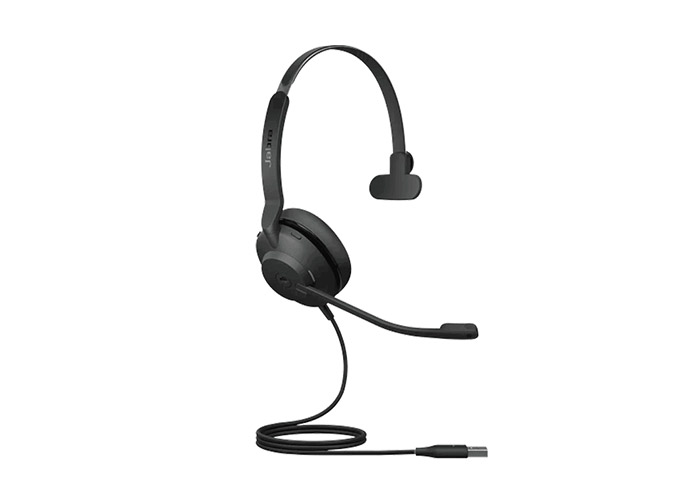
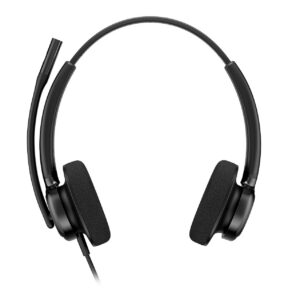
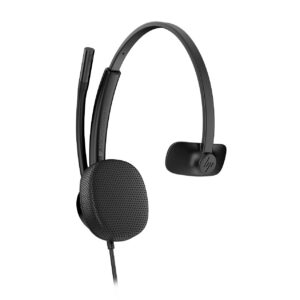
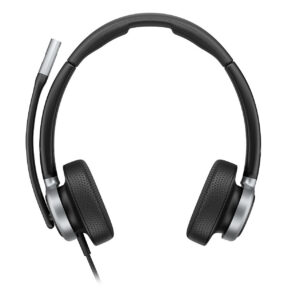
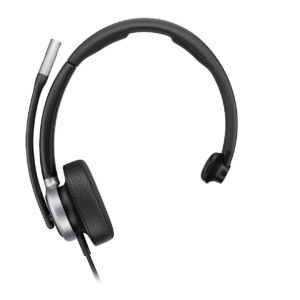
Enterprise corded headsets are still a smart, strategic choice, not just a budget fallback. They offer true plug‑and‑play reliability with no pairing, no charging, no wireless interference, which translates directly into fewer support tickets and less downtime. Headsets like the HP Poly Mission Series are a good example of how wired solutions just work, every time. Standardizing on corded headsets can simplify deployment, support, and troubleshooting at scale, especially in shared or mission‑critical environments like contact centers, NOCs, oil & gas control rooms, and service desks where uninterrupted communication matters. In RF‑dense or industrial settings, hardwired connections also eliminate the unpredictability of Bluetooth, delivering consistent, professional‑grade audio. And because corded headsets can be sanitized, refreshed with new cushions or cables, and redeployed, they align well with long‑term sustainability and lifecycle planning, without sacrificing enterprise‑class performance.
9. The right headset depends on the right fit
Resistance to headsets is not always about stubbornness. Sometimes it comes from a poor prior experience.
Not every headset is right for every user. The best choice depends on several factors, including:
the device or platform being used
work environment
wearing style preference
mobility needs
audio performance requirements
ergonomic considerations
accessibility or assisted listening needs
When those factors are ignored, the experience may fall short. But when organizations take the time to match the right headset to the right user and use case, the outcome is dramatically better.
Stop settling for “the way it’s always been done”
If teams are still using outdated habits and then wondering why communication feels harder than it should, the issue may not be the platform — it may be the endpoint.
Headsets help organizations improve comfort, productivity, audio quality, simplicity, and overall user experience. In a world built around unified communications, they are not a luxury. They are an essential tool for getting work done well.
At UnifiedCommunications, we help organizations identify the right headset solutions for individual users, teams, and large-scale deployments. Whether you need to support a single department or standardize across the enterprise, we can help you find options that satisfy the many while addressing the needs of the few.
If you’re looking to standardize on a reliable, enterprise-grade corded solution, HP Poly Mission Series headsets are a strong place to start. They combine plug-and-play simplicity with professional-grade audio, making them ideal for shared, mission-critical, and high-density environments.
Ready to explore what HP Poly Mission and other enterprise headset options could look like in your environment? Let’s define the right headset strategy for your users, platforms, and workspaces.