Every April 22nd, Earth Day serves as a reminder to make choices that matter for the planet. At UnifiedCommunications, we’ve always believed that sustainable technology and strong business outcomes don’t have to be in tension — they should reinforce each other. The collaboration tools that make your workplace run better can also be better for the world.
That’s why we’re proud to partner with manufacturers who are walking the walk. This Earth Day, we want to shine a light on the sustainability commitments of the brands behind the technology we bring to your workplace every day.
Logitech: Designing Sustainable Technology from Day One
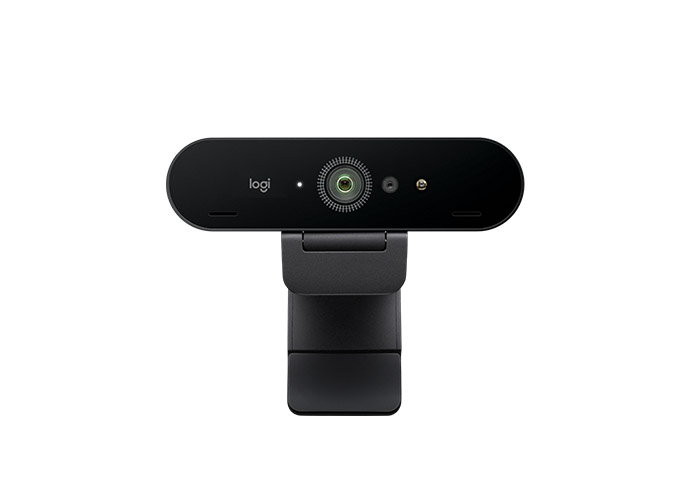
Logitech’s approach starts before a product is ever built. The company embeds environmental goals directly into its design and engineering process — because, as they see it, the biggest opportunity to reduce carbon impact is early, when the key decisions are still being made.
Their recent progress backs that up. Logitech reduced its direct and indirect emissions by 53% and its value chain emissions by 13% against baseline years, while eliminating or avoiding nearly 170,000 tons of CO₂ equivalent in 2024. They’ve also reached 84% carbon labeling across their product portfolio — what they call “carbon is the new calorie” — so customers can see the environmental footprint of what they’re buying.
Today, recycled plastic is used in 78% of all Logitech products, and 93% of their global electricity comes from renewable sources. They’ve also launched a Future Positive Technology Challenge — an annual open call to startups and engineers developing breakthrough sustainable solutions in electronics, from biodegradable circuit boards to cellulose-based paper batteries. It’s a signal that for Logitech, sustainable technology isn’t a destination — it’s a continuous process of innovation.
Jabra: Sustainable Technology Built to Last — and Responsibly Returned
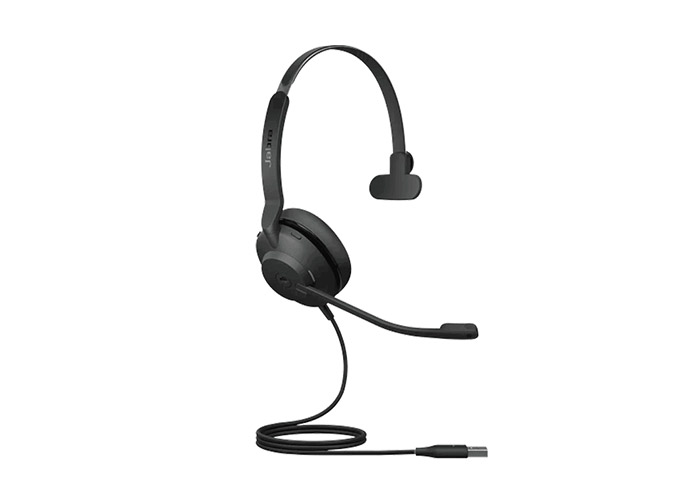
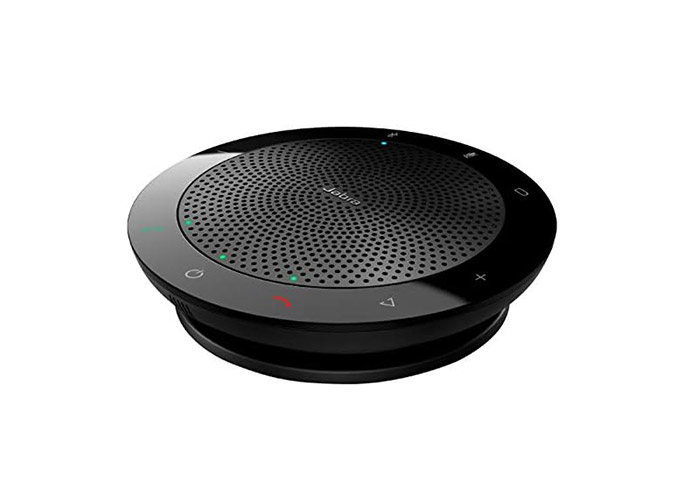
Jabra’s sustainability philosophy is rooted in a simple but powerful idea: the most sustainable product is one that doesn’t need to be replaced. Their focus on durability means devices are designed to be enjoyed for years — or even decades — and increasingly engineered for repair and disassembly to support a second life.
On the packaging side, Jabra has achieved carbon savings as high as 84% on its packaging lines since 2018 and is on track to meet its 2025 target for 100% FSC-certified packaging — ahead of schedule.
And when a product has run its course? Jabra’s Green Initiative gives customers a discount when they send their old device back to Jabra, which then recycles it responsibly under the European WEEE Directive. It’s a technology refresh program that incentivizes doing the right thing — and makes it easy. The message is clear: your upgrade doesn’t have to come at the planet’s expense.
Neat: Sustainable Technology Through Simplicity
Norwegian-born Neat has a philosophy that’s both elegant and deeply practical: simplicity is sustainability. Their devices use 50% recycled plastic in their Board products, energy-saving software that cuts power consumption by 80% when a device is in sleep mode, and a modular design setup that means in the rare case of repair, you only replace a part — not the entire system.
Neat is also committed to continuously redesigning its packaging to be smaller, lighter, and more environmentally friendly — resulting in lower logistics costs, reduced storage needs, and less waste for customers.
And there’s a broader dimension to Neat’s sustainable technology story that often goes unappreciated: every meeting that happens virtually, instead of requiring a flight or long commute, helps organizations reduce their carbon footprint while keeping teams connected. Quality collaboration technology doesn’t just reduce e-waste — it reduces travel waste too.
Shure: A Century of Quality — Now with Sustainable Technology at Its Core
Founded in 1925, Shure has been making audio equipment for 100 years — and over the last decade, the company has made sustainability a cornerstone of how it builds. Shure was the first company to offer intelligent lithium-ion batteries for wireless microphones, instantly transforming sound production into a far more environmentally friendly operation.
By 2027, Shure’s rechargeable battery initiative is projected to prevent 100 million AA batteries from entering landfills. That’s the kind of impact that comes from designing sustainable technology with purpose — one product innovation with a measurable, lasting effect.
On the packaging side, Shure is a member of the Sustainable Packaging Coalition and is on track for 90% recyclable and/or renewable packaging for new products by 2025 — replacing plastic components with molded pulp alternatives, right-sizing packaging to reduce shipping emissions, and keeping thousands of wooden pallets and tons of cardboard out of landfills every year.
Yealink: ESG-Driven Sustainable Technology at the Enterprise Level
Yealink has taken a governance-first approach to sustainable technology — building the organizational infrastructure to ensure their environmental commitments are more than just statements. They hold ISO 14001 Environmental Management System Certification and ISO 14064 Greenhouse Gas Verification, and have conducted a full greenhouse gas inventory across their operations.
In 2024, Yealink joined the United Nations Global Compact, aligning their sustainability goals with global standards — with over 2,000 employees actively involved in their ESG development. Their products have received Product Carbon Footprint Verification from TÜV SÜD, and the company is actively pursuing eco-friendly materials and low-carbon manufacturing practices across their global supply chain.
HP Poly: Making Sustainability More Measurable
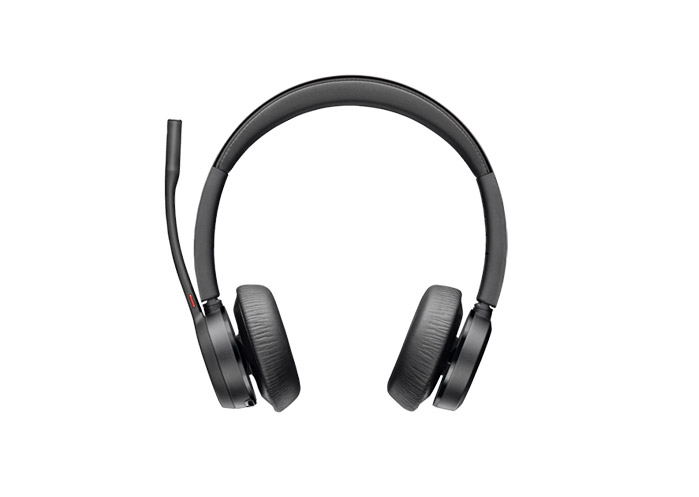
Through HP’s Product Carbon Footprint reporting, the company is giving customers a clearer view into the lifecycle emissions of the products they buy – from manufacturing and distribution to use and end-of-life. Backed by ISO-aligned, third-party-verified methodology, it’s a meaningful example of sustainability work that gives organizations more transparency into the impact of their technology decisions.
UC: Your Partner for Sustainable Technology in the Modern Workplace
At UC, we’re proud to bring these brands — and their values — to the organizations we serve across Houston and beyond. We believe the technology in your conference rooms, huddle spaces, and hybrid work environments should meet a high bar: not just for performance and reliability, but for responsibility.
When you invest in a modern, well-designed collaboration environment, you’re choosing sustainable technology built by companies that are measuring their carbon footprint, reducing packaging waste, extending product lifecycles, and holding themselves accountable.
We’re also proud to share that HP Poly has recognized UC as an Amplify Impact 3-Star Partner for driving sustainability. From training our employees to leading our sales with sustainability in mind, we’re helping customers make an impact, too.
Good collaboration technology should make work feel better. This Earth Day, we’d add: and make the planet a little better, too.
Ready to build a smarter, more sustainable workplace? Connect with the UC team today.